
Impact-Resistant Windows vs. Hurricane Shutters: Which Is the Better Choice for Hurricane Protection?
Quick SummaryThis comparison walks through the real differences between impact-resistant windows and hurricane shutters, covering upfront cost, storm performance, and everyday livability. It looks closely at two factors many homeowners miss when comparing the two, water intrusion risk and the true cost of protecting large patio doors. By the end, there’s a clear breakdown of which option fits which type of home and budget. |
For homeowners across Florida, deciding how to protect a home from high winds and flying debris is one of the biggest calls to make on any storm-prep project. Two options come up more than any others: impact-resistant windows vs. hurricane shutters.
Both hold up against severe weather, but the differences in cost, performance, and everyday livability are bigger than a lot of homeowners realize going in. At Sun and Storm Systems, this is one of the most common questions homeowners bring to us before starting a project, and it deserves a straight answer.
What Are Impact-Resistant Windows?
Impact-resistant windows, often called impact windows or hurricane windows, use laminated glass and reinforced frames. Similar to a car windshield, the glass is made of multiple layers bonded together with a tough interlayer. When windborne debris strikes the glass during a hurricane, it may crack, but it’s built to stay in one piece rather than shatter. Because they’re permanently installed, impact windows provide protection around the clock, storm or no storm.
Advantages of Impact Windows
-
- Always-on protection.No deployment needed. If a storm forms fast or a homeowner is out of town, the protection is already there.
-
- Better energy efficiency.Many impact windows use Low-E coatings and insulated glass that help cut down on heat transfer and cooling costs.
-
- Noise reduction.The laminated construction often makes homes noticeably quieter.
-
- Added security.Impact glass is much harder to break through than standard glass, which helps against forced entry too.
-
- Resale appeal.Plenty of buyers see impact windows as a premium upgrade that can boost curb appeal and value.
Where Impact Windows Fall Short
-
- Higher upfront cost.Replacing every window and door in a home with impact-rated products can easily run into tens of thousands of dollars.
-
- The glass still takes the hit.The window itself absorbs the force of the impact directly, since the opening stays exposed to the storm.
-
- Fewer extra perks.Impact windows don’t add shade, privacy, insect protection, or solar screening on their own.
What Are Hurricane Shutters?
Hurricane shutters are protective systems installed over windows, doors, lanais, and other openings. Instead of relying on the glass alone to hold up, shutters create a barrier between the storm and the opening itself.
Today’s shutter systems come in several styles, including roll-down shutters, accordion shutters, Bahama shutters, colonial shutters, storm panels, and motorized hurricane screens. Homeowners who want to preserve daylight and visibility can also compare clear Lexan storm panels before choosing a system. By stopping debris before it ever reaches the glass, shutters add a layer of protection windows can’t provide on their own.
Advantages of Hurricane Shutters
-
- Protect the whole opening, not just the glass itself.
-
- Keep existing windows in place, so there’s no need for a full window replacement.
-
- Cost less than full window replacementin most cases.
-
- Come in multiple styles, from decorative designs to fully motorized systems.
-
- Add everyday perkslike privacy, security, solar heat reduction, energy savings, insect protection, and shade.
How They Perform During a Hurricane
Picture it this way: an impact window works like a strong helmet, taking a hit directly and holding together. A hurricane shutter works more like a shield held up in front of that helmet, stopping debris before it ever makes contact.
Both approaches provide real protection, but the shutter adds one extra barrier between the storm and the opening behind it.
The Water Intrusion Factor Most Homeowners Miss
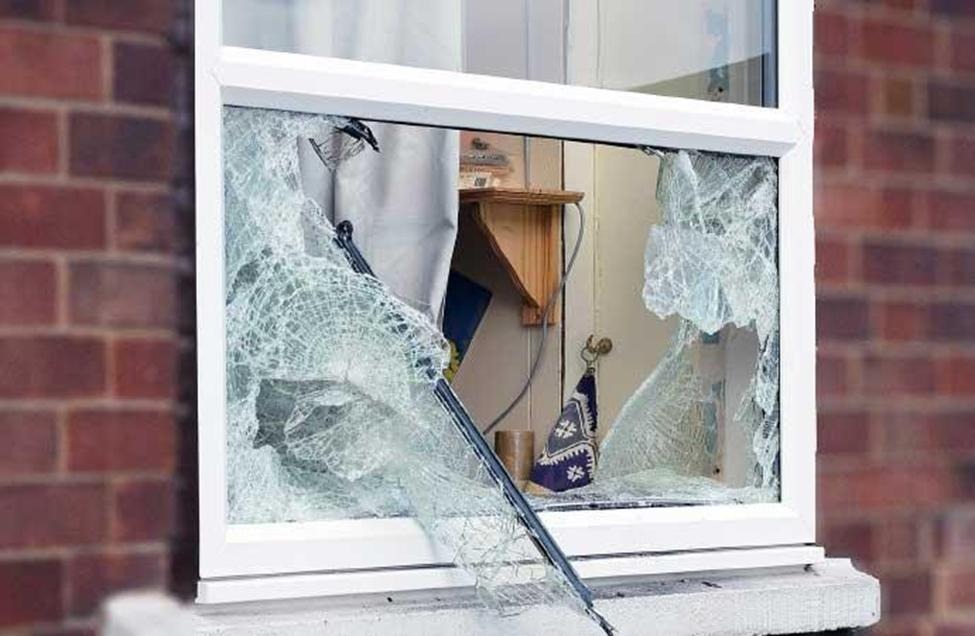
When people picture hurricane damage, broken glass and flying debris usually come to mind first. In reality, one of the biggest sources of insurance claims after a major storm is water damage, not shattered glass. Even a window that survives a hurricane without breaking can still let water in during long stretches of high wind and driving rain, and that’s true of nearly every window system, impact-rated included.
Impact-rated doesn’t mean waterproof. These windows are built to resist debris and help hold the building envelope together during a storm, but they’re still windows. Under extreme conditions, wind-driven rain can work its way through weep systems, frame joints, weather seals, and sliding door tracks. The damage that follows can hit:
-
- Flooring
-
- Drywall
-
- Cabinets
-
- Furniture
-
- Electronics
-
- Personal belongings
Pairing a home’s windows with accordion shutters or another well-built shutter system cuts down on the direct wind pressure and rain reaching the frame, adding a real layer of protection against water intrusion. That’s a big part of why coastal homeowners keep installing shutters even on homes that already have impact windows.
Rethinking the Economics of a Window Replacement
A common assumption is that new windows should automatically mean impact-rated windows throughout the house. That’s not always the most cost-effective route.
In plenty of cases, a homeowner can install premium non-impact windows and pair them with a hurricane shutter system for noticeably less than a comparable impact-rated window package. A premium non-impact window paired with Bahama-style shutters, for example, can deliver:
-
- Better overall value
-
- Strong energy efficiency
-
- An attractive, traditional look
-
- Easier day-to-day operation
-
- Solid storm protection
-
- Lower total project costs
For a lot of homes, the savings add up to a substantial amount.
The Patio Door Problem
One of the most overlooked pieces of any hurricane protection project is the cost and performance of large patio doors. Impact-rated sliding glass doors are often the single most expensive item in the whole project. Because impact glass weighs so much more than standard glass, impact patio doors tend to be heavier to operate, even with good rollers and hardware.
Patio doors are also among the most common spots for water intrusion during severe weather. Their large openings, multiple tracks, and long runs of weather-stripping simply give water more places to get through. Manufacturers keep improving these systems, but no patio door should be treated as fully immune to water intrusion under extreme hurricane conditions.
A more practical route for a lot of homeowners is installing a quality non-impact patio door and protecting the opening with a motorized hurricane screen. One screen can often cover multiple doors and windows across a lanai at once, while also adding solar protection, privacy, insect control, and shade. In many cases, that combination delivers more functionality at a lower overall cost than large impact-rated patio doors alone.
Which Option Fits Your Home?
Impact windows may be the right call if you:
-
- Want passive protection in place at all times
-
- Need replacement windows anyway
-
- Value noise reduction
-
- Prefer not to deploy anything before a storm
Hurricane shutters may be the better call if you:
-
- Want protection across the entire opening
-
- Want to protect existing windows instead of replacing them
-
- Prefer a lower-cost solution
-
- Want shade, privacy, security, or insect protection alongside storm coverage, similar to what solar screensadd on the sun-protection side
-
- Are focused on reducing water intrusion during severe weather
Making the Smarter Call for Your Home
Both impact-resistant windows and hurricane shutters can hold up well when they’re properly engineered and installed. That said, homeowners shouldn’t assume impact windows are automatically the best fit just because they’re the most heavily marketed option. Once water intrusion, patio door performance, day-to-day usability, and total project cost enter the picture, hurricane shutters often come out ahead on value and versatility.
In many cases, a homeowner can install quality non-impact windows, pair them with a well-engineered shutter system, and spend considerably less than a full impact-window package while still getting excellent storm protection. The strongest hurricane protection strategy usually isn’t the most expensive product on the shelf. It’s the setup that strikes the right balance of protection, function, and value for that specific home.
Get Expert Guidance on Hurricane Shutters from Sun and Storm Systems
Sun and Storm Systems installs roll-down and accordion shutters, Bahama and colonial shutters, motorized hurricane screens, Lexan panels, and solar screens for homeowners across Sarasota, Manatee, Lee, Charlotte, Hillsborough, Pinellas, and Pasco counties. As a family-owned, Florida-licensed company, we send our own trained, insured installers to every job, never subcontracted crews, so your project gets handled right the first time.
If you’re weighing impact windows against a shutter system, or trying to work out the most cost-effective way to protect a large patio door, our team can walk through the numbers and the options for your specific home. Request a free quote or call our Sarasota showroom at 941-900-8924 to get started.
Frequently Asked Questions
Are hurricane shutters cheaper than impact-resistant windows?
In most cases, yes. Replacing every window and door in a home with impact-rated products can run into tens of thousands of dollars, depending on the size of the house and the number of openings involved. Hurricane shutters, on the other hand, let homeowners protect the same openings for noticeably less money and keep their existing windows in place. Shutters also come in a wide range of styles, from decorative Bahama and colonial designs to fully motorized roll-down systems, so cost and appearance can be balanced against each other. For homeowners working with a set budget, pairing standard windows with a shutter system often stretches further than a full impact-window package.
Do impact windows fully stop water intrusion during a hurricane?
Not necessarily. Impact windows resist windborne debris and hold up under strong wind pressure, but that’s a different job than blocking water completely. During long stretches of wind-driven rain, water can still work through weep systems, frame joints, seals, and sliding door tracks, even on high-quality impact-rated products. This is a normal part of how most window systems are built, not a defect. Adding a hurricane shutter in front of the window or door reduces the direct wind pressure and rain reaching the frame, which lowers the chances of water finding its way inside during a severe storm.
Can I keep my existing windows and still get strong hurricane protection?
Yes, and this is one of the biggest reasons homeowners choose shutters over a full window replacement. A hurricane shutter system protects the entire opening from the outside, so the existing window or door behind it doesn’t have to withstand debris impact directly. That means a homeowner can keep windows they already like, avoid the cost of replacing every opening in the house, and still meet strong hurricane protection standards. Many shutter systems also add benefits impact windows don’t offer on their own, including shade, privacy, insect protection, and solar heat reduction, on top of standing up to high winds and flying debris.