
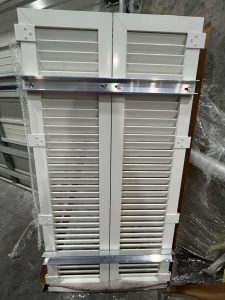
 Storm shutters are a long-term addition to your home, so it’s worth looking past the showroom display. Think about how you use each room, how much sun reaches the windows, and who will operate the shutters when weather turns. Comparing colonial storm shutters vs bahama shutters can help you find a style that fits both your home’s appearance and your routine. Colonial shutters swing from the sides; Bahama shutters lower from above and may provide shade while open. Neither style guarantees protection on its own. The product’s testing, approval, mounting hardware, and installation all matter. Here’s what to review before making your decision.
Key Takeaways
- Choose a style that suits your daily routine: Colonial shutters swing in from the sides; Bahama shutters lower from above and can provide shade while open.
- Confirm storm protection before you buy: Ask for documents for the exact shutter model, check local requirements, and have a qualified installer assess each window.
- Compare the full project, not just the price: Review operation, access, materials, installation details, warranty coverage, and maintenance in each written estimate.
How Do Colonial and Bahama Shutters Differ?
Colonial and Bahama shutters can both provide storm protection when the specific product is properly tested, rated, and installed. The clearest difference is how they cover a window: Colonial shutters swing in from the sides, while Bahama shutters lower from hinges above the window.
That design affects everyday shade, access, and storm preparation. Before choosing, consider each window’s size and location, who will operate the shutters, and whether you want shade when they’re open. Materials, finishes, and hardware also vary by manufacturer, so compare specifications for the exact models you’re considering.
Colonial shutters: paired panels that close over windows
Colonial shutters have two panels attached to hinges on either side of a window. When open, they rest beside the window. To cover the opening, you swing the panels inward and fasten them, often where they meet near the center. Since the panels stay attached to your home, you don’t need to store separate storm panels.
The side-opening design can be convenient for windows that are easy to reach. For upper-floor windows, ask how the closures work and whether you can operate them safely from inside or from a suitable access point. Colonial shutters are available with a classic louvered look, but appearance alone doesn’t confirm storm protection. Check the product’s testing and rating details before you buy.
Bahama shutters: top-hinged panels that lower over windows
Bahama shutters have a single panel attached above the window. Telescoping arms hold the panel open at an angle, where it can provide shade. Before a storm, you lower the panel over the window and secure it. This top-hinged design gives Bahama shutters a distinctive coastal appearance.
An open panel can reduce direct sunlight while allowing some light and air through, depending on its design and position. That may be helpful for windows that receive strong afternoon sun. Ask how the arms adjust and lock, and check that the panel won’t interfere with nearby fixtures or walkways. The top-hinged operation is straightforward for some homeowners, but reach and window placement matter.
Compare operation, access, storage, and storm prep
Colonial shutters swing inward from the sides; Bahama shutters lower from above. Neither style typically requires you to bring separate panels out of storage, but both must be closed and fastened before a storm. The effort involved depends on the window’s height and size, the hardware, and the quality of the installation.
Walk through your home and consider each opening separately. A ground-floor window may be easy to reach, while an upper-floor window may call for a different access plan. Ask the installer to demonstrate how to open, close, and secure each shutter before the job is complete. Operation and access can vary with the model and installation, so try the actual hardware rather than relying on the style name alone.
Compare materials, louvers, finishes, and hardware
Both styles may be available in aluminum or composite materials, depending on the manufacturer. Colonial shutters may also come in fiberglass. Options for colors, louver designs, and hardware vary, so ask for written specifications for the model you’re considering. In coastal areas, find out how the materials and finishes stand up to salt air, and what care the hinges and fasteners require.
The styles also affect the look and feel of a window. Open Bahama shutters can provide shade, while open Colonial panels fold beside the window and leave it more exposed. When comparing quotes, check that they cover the same materials, finishes, hardware, and installation details. Available materials and cost ranges vary by product, so use the estimate as a starting point and confirm the exact features included.
Which Shutter Style Works Best Every Day?
Bahama shutters: adjust shade, airflow, and light
Bahama shutters are hinged above the window and prop open at an angle. In this position, they can shade the glass while still letting some daylight and air into the room. That may be helpful for south- or west-facing windows that get strong afternoon sun. Their louvers can also offer privacy, though the amount depends on the shutter’s design and position.
Because the panels remain above the window when open, they may partially limit the view. Consider whether shade and privacy matter more to you than an unobstructed outlook. This guide to Bahama shutters explains how their angled position can balance shade, light, and ventilation.
Colonial shutters: fold panels back for open views
Colonial shutters use paired panels that swing outward from the sides of a window. When open, they fold back against the exterior wall, leaving the glass clear for daylight and views. This can suit rooms where you want an open outlook or as much natural light as possible.
The panels swing away from the window, which can also provide clear access for cleaning. Check that there is enough space beside each window for the panels to rest fully open. Ask your installer how the shutters will sit against your home and whether nearby features, such as trim or lighting, could affect their movement. This comparison of Colonial and Bahama shutters outlines how their open positions affect views and window access.
Consider ventilation, privacy, daylight, and comfort
Think about how you use each room and how sunlight moves across your home. Bahama shutters may be a good fit where you want shade, some airflow, and added privacy. Colonial shutters preserve an open view when folded back and allow daylight to reach the window without an angled panel above it.
Your priorities may vary from one room to another. For example, you might prefer shade in a sunny living room but want an open view from a bedroom or dining area. Consider the window’s direction, your comfort, and how much privacy you need before choosing a style. This overview of Bahama shutter benefits offers more detail on their balance of shade, privacy, and ventilation.
Check ease of operation on every floor
Picture opening and closing each shutter as part of your regular routine. Consider the window’s height, how easily you can reach its hardware, and whether the panels need to be operated from outside. A style that feels simple to use on the ground floor may be less convenient on an upper level. Ask the installer to demonstrate how each option works at the specific windows in your home.
Cleaning access is worth checking, too. Colonial panels swing clear of the glass, while Bahama shutters remain angled above the window. Ask how that difference could affect your usual cleaning and maintenance routine, and review the window access considerations for each style before making a decision.
How Do Colonial and Bahama Shutters Protect Your Home?
Colonial and Bahama shutters can help protect windows from wind and flying debris, but their appearance alone doesn’t tell you how they’ll perform in a storm. The exact product, its approval for your location, and the way it’s installed all matter. Ask a qualified installer to assess your windows and explain how the proposed system meets local requirements.
Protection depends on the product and installation, not style alone
Both Colonial and Bahama shutters can provide storm protection when they’re designed for that purpose and installed according to the manufacturer’s instructions. Some Colonial shutters are decorative, while others are engineered and tested for hurricane protection. The same is true of Bahama shutters, so don’t judge performance by style or appearance.
Ask the installer to identify the exact product in your estimate and explain how it protects your windows. Materials, design, fasteners, mounting surfaces, and installation details all affect performance. A comparison of Bahama and Colonial shutters can help you understand the styles, but confirm the capabilities of the specific model proposed for your home.
Verify testing, wind ratings, and approvals for the exact model
Request documentation for the exact shutter model and installation method in your estimate. Depending on the product and location, this may include approval numbers, test certifications, or other records showing that the system has been evaluated for storm conditions. Check that the documents apply to the size and configuration being installed, not just to a similar product.
Ask the installer to explain the ratings and approvals in plain language, and confirm any details you’re unsure about with your local building department. A general claim that a shutter is “hurricane rated” doesn’t tell you whether it meets requirements for your home. This guide to product approvals and test certifications offers useful questions to raise before you choose a system.
Match ratings and approvals to local codes and site conditions
Requirements can vary by location and project, so a shutter that’s approved for one home may not be suitable for another. Local codes, window dimensions, building design, and exposure to wind can all affect which system is appropriate. Ask your installer to assess each opening and explain how the recommended product and installation plan address your home’s conditions.
Request the supporting documents, and contact your local building department if you need to confirm permit or approval requirements. Make these checks before installation begins, while there’s still time to address questions or adjust the plan. A recommendation should be based on your property and the rules that apply there, not a broad assurance that a product works for every home.
Confirm approved anchors, mounting, hardware, and instructions
A shutter needs secure attachment to perform as intended. Ask which anchors, fasteners, and hardware are approved for the exact model, and whether they’re suitable for your home’s mounting surface. The installer should follow the manufacturer’s directions for placement, spacing, and fastening. If a surface is damaged or in poor condition, ask how it will be addressed before installation.
When the work is complete, have the installer show you how each shutter opens, closes, and secures. Keep the instructions, approvals, and warranty information with your home records, so you can refer to them later. Correct mounting and regular maintenance help support dependable operation over time.
Check durability and corrosion resistance for coastal conditions
Coastal homes face salt air and moisture, which can wear on shutters and hardware over time. Ask what materials are used for the panels, hinges, fasteners, and other components, and whether their finishes suit your home’s environment. Powder-coated aluminum is one option used for shutters, but review the specifications for the particular product you’re considering rather than relying on a general description.
Before making a decision, ask about cleaning, inspections, and replacement parts. Find out what signs of corrosion or wear to watch for and how often to check moving parts. A Gulf South guide to Colonial and Bahama shutters notes that quality materials can help reduce maintenance needs. Follow the manufacturer’s care instructions to help keep your shutters in good working order.
What Affects Shutter Costs?
The cost of Colonial or Bahama shutters depends on more than the style you select. The number and size of your windows, the shutter material and finish, and the condition of your home’s exterior can all affect the total. Installation details matter, too. A window on an upper floor or a mounting surface that needs repair may require extra labor or equipment.
When you request estimates, ask each installer to list the products, labor, hardware, and other project costs separately. Check that every quote covers the same windows and comparable shutter specifications. A lower total may reflect a different product or leave out work that appears on another estimate.
It can also help to ask questions before settling on a design. Find out which model is suitable for your home, what documents support its storm-protection claims, and what maintenance to expect. With those details in writing, you can compare the initial price alongside product features, installation work, and long-term upkeep.
Compare itemized product and installation estimates
Ask for an itemized estimate that separates the shutters from labor, hardware, and additional work. Home Depot’s installation cost guide lists a broad range of $16 to $80 per square foot for installed hurricane shutters. Use it as a general reference, not a quote for your home. Product type, location, window dimensions, and installation conditions can all affect the price.
Check that each estimate covers the same openings and similar products. Ask whether measuring, delivery, cleanup, permits, and repairs are included, and how the installer will handle work that falls outside the estimate. If one quote is much lower than another, ask what accounts for the difference. A clear breakdown makes it easier to compare what each price includes.
Consider window size, quantity, custom sizing, materials, and finishes
Larger windows typically need more shutter material, and adding more openings increases the project’s total cost. Custom sizing may also affect the price if your windows have unusual dimensions or shapes. Material and finish are worth comparing as well: aluminum and wood have different appearances, weights, and care needs.
For both Bahama and Colonial shutters, details such as blade style, frame configuration, finish, and engineering requirements can influence pricing. Croci North America outlines these factors for homeowners comparing the two styles. Ask each installer to identify the specific model, material, and finish in the estimate. That way, you can compare similar products rather than relying on a style name alone.
Include mounting, hardware, access equipment, and repairs
Installing shutters can involve more than attaching panels to the exterior. The job may require particular anchors and hardware, additional labor for upper-floor windows, or equipment to reach hard-to-access openings. The condition and material of the mounting surface also matter. Damaged trim, stucco, or siding may need attention before shutters can be installed securely.
Ask whether fasteners and mounting hardware are included, and request a description of how the shutters will attach to your home. HomeGuide’s shutter cost guide offers another general price reference, but your property’s needs will shape the actual estimate. Have the installer point out possible access challenges or repairs before work begins, and clarify how any added costs will be approved.
Compare warranties and upkeep with upfront costs
The initial price is only one part of the comparison. Review what the warranty covers, including the shutter product, finish, and installation. Ask how long coverage lasts, what could void it, and whether replacement parts or service are available if a hinge or fastener needs attention. Find out what cleaning and routine care the manufacturer recommends, too.
A permanent shutter style may also offer everyday value beyond storm protection. For example, Bahama shutters can shade windows, and Lafferty’s guide describes their potential upkeep benefits. The results depend on the product, your home, and local conditions, so ask what to expect for the specific model you’re considering. Include warranty coverage and ongoing care in your comparison, alongside the purchase and installation price.
Ask how project requirements and custom features affect the estimate
Before choosing a product, ask whether the specific shutter model is suitable for your location and each window opening. Local codes, wind exposure, opening size, and the home’s construction can affect what’s required. Custom colors, finishes, and configurations may also change the price. Ask the installer to list these options and their costs separately.
Request the product approval numbers and testing documents for the exact model being proposed. LSA Home recommends checking approvals and certifications when comparing storm shutters. Confirm that the proposed anchors, mounting method, and hardware follow the product’s instructions. These questions help you understand what the estimate covers and whether the selected shutters meet the requirements for your home.
Which Shutter Style Fits Your Home?
Colonial shutters suit traditional and historic-inspired homes
Colonial shutters have two panels mounted beside a window. When you need storm protection, the panels swing closed and secure over the opening. When open, they fold back along the sides, leaving the view mostly clear. Their balanced, familiar shape often complements traditional architecture, including homes with symmetrical windows, decorative trim, or historic-inspired details.
If you prefer a classic appearance and want the panels out of the way during everyday use, Colonial shutters may suit your home. Check that there’s enough space beside each window for the panels to open and close without hitting nearby walls, landscaping, or fixtures. Consider how the panels will look when folded back, too. Expert Shutters’ comparison outlines the differences between Colonial and Bahama styles.
Bahama shutters suit coastal, tropical, and contemporary designs
Bahama shutters attach above the window and tilt outward when open. Their angled profile adds a noticeable feature to the exterior, often complementing coastal, tropical, Mediterranean, and some contemporary homes. Unlike Colonial shutters, they stay above the window when open, so their shape and color remain visible year-round.
Consider how much shade you want as well as the look you prefer. Open Bahama shutters can shade a window and reduce direct sun, which may be useful on a bright, south- or west-facing side of the home. Their position also affects incoming daylight, so think about how you use the room and whether you want a brighter or more shaded interior. LA Home’s guide to shutter styles offers examples of how Bahama shutters work with different home designs.
Compare proportions, colors, finishes, and curb appeal
A shutter style that looks appealing on its own may not suit every window or exterior. Look at your home’s proportions, including window size, roofline, trim, and the spacing between openings. Consider how panels will fit each window and how the shutters will look together across the full façade. A sample or product photo can help you picture the result before making a decision.
Color and finish also shape the final appearance. Choose a shade that blends with the siding or trim, or use a contrasting color to draw attention to the windows. Materials and finishes vary by product, so ask what options are available and how they’re suited to your local conditions. Both styles can come in different colors and materials, as described in Expert Shutters’ overview.
Check neighborhood, historic-district, and local requirements
Before selecting a style, check whether your homeowners association, historic district, or local building department has rules for exterior changes. Requirements may cover shutter placement, colors, materials, or changes to a home’s original appearance. Rules vary by location, so confirm them before ordering products or scheduling installation.
If your home is in a historic district, Colonial shutters may complement the neighborhood’s established architectural character, but don’t assume either style will be approved. Ask for the relevant guidelines and find out whether you need to submit product details or photos for review. Also check local building requirements for storm protection. LA Home’s shutter guide recommends considering neighborhood character and architectural review requirements when choosing a style.
What Should You Expect From Installation and Maintenance?
A dependable shutter project starts with a careful assessment, not just a choice between Colonial and Bahama styles. The installer should check each window opening, the surrounding trim, and the surface where the shutters will attach. These details help determine which product and mounting method are suitable. If storm protection is your goal, confirm that the specific shutter system is designed and approved for that purpose. A decorative shutter may look similar to a storm-rated model, but appearance alone does not establish performance.
Before work begins, get a written estimate that identifies the product, hardware, installation tasks, and any repairs or preparation included. Ask who will confirm permit requirements and arrange any required inspections. You should also know who to contact if an adjustment or repair is needed after installation.
Once the shutters are in place, ask the installer to demonstrate how they open, close, and secure. Try operating each one yourself, and ask for guidance if a shutter is difficult to reach. Regular cleaning, inspections, and operation can help you spot wear early and keep moving parts working as intended. Follow the care instructions for your specific product, since materials and finishes may require different approaches.
Consider the product, window opening, and mounting surface
Ask the installer to assess each window rather than assume all openings are alike. Window size, shape, trim, and the condition of the surrounding wall can affect the product and installation method. The mounting surface matters, too: attaching shutters to wood framing may require different fasteners than attaching them to concrete or masonry.
Confirm that the model suits your goals, especially if you want storm protection. Decorative and impact-rated Colonial shutters are not interchangeable, and the same is true of other shutter systems. Request specifications for the exact product being proposed, including its intended use and any applicable approvals. This comparison of Bahama and Colonial shutters explains why engineering and installation both affect performance. Ask the installer to describe how the chosen product fits your home’s openings and mounting conditions.
Confirm permits, fastening details, and installation responsibilities
Before scheduling work, ask whether permits or inspections may be required, and clarify who will handle them. Requirements vary by location and project, so confirm them with your local building department or a qualified installer. Your written estimate should identify the shutter model, mounting method, hardware, and any surface preparation or repairs included.
Ask which anchors and fasteners the crew will use and how they match the product’s approved installation instructions and your home’s construction. Request approval numbers and test documents for the exact shutter system, rather than relying on broad claims about a brand. This guide to Colonial and Bahama shutters recommends checking product approvals and certifications. Also clarify who is responsible for inspections, cleanup, and showing you how to operate the shutters when the work is complete.
Ask installers how they check alignment and operation
Ask the installer to show you how they check that each shutter is aligned and moves as intended. Colonial panels should swing and close properly, while Bahama shutters should raise and lower smoothly. Hinges, pivots, support arms, and latches should not bind, scrape, or feel unusually loose.
Before the crew leaves, operate each shutter yourself and ask about any steps you may need to remember before a storm. Find out how the shutters secure in both open and closed positions. If a shutter is difficult to reach or operate, discuss safe options with the installer rather than waiting until you need to close it quickly. Periodic checks of alignment and moving parts can help reveal small issues early. This shutter care guide offers additional advice on checking operation.
Clean shutters and inspect hinges, fasteners, finishes, and moving parts
Clean shutters according to the manufacturer’s instructions. Mild soap and water may be suitable for some products, but the right method depends on the material and finish. Avoid abrasive tools or strong cleaners unless the manufacturer confirms they are safe to use.
As you clean, inspect hinges, fasteners, latches, support arms, and other moving parts. Look for loose hardware, corrosion, chipped or peeling finishes, cracks, and signs of rubbing against the frame. Salt and moisture can be especially hard on metal components in coastal areas, so ask which cleaning products and protective treatments suit your shutters. If you notice damage or a loose connection, contact your installer or a qualified service professional. Don’t force a shutter that sticks or feels unstable, since doing so could cause further damage.
Operate shutters regularly and follow care instructions
Open and close operable shutters at least once or twice a year, following the manufacturer’s directions. Raise and lower Bahama shutters carefully, and swing Colonial panels through their normal range. Regular operation helps keep hardware moving and gives you a chance to notice stiffness, unusual sounds, or alignment changes before storm preparation becomes urgent.
If a shutter is difficult to reach, don’t climb or stretch from an unstable position. Ask your installer about a safe way to operate it. Keep the care instructions and warranty information somewhere easy to find, and follow the recommended schedule for cleaning, lubrication, and inspections. The Gulf South shutter guide also recommends operating shutters regularly to help keep hardware from seizing. If you are unsure how to maintain a component, check with the manufacturer or installer before applying lubricant or making an adjustment.
Check for wear and storm damage; both styles need maintenance
After strong winds or heavy rain, inspect shutters from a safe position. Look for bent panels, loose fasteners, damaged hinges, chipped finishes, or parts that no longer line up. Don’t operate a shutter that appears unstable or has visible damage. Contact a qualified professional to assess it and recommend repairs.
Check your shutters periodically even when there has not been a major storm. Changes in movement, loose hardware, or a worn finish can signal that maintenance is needed. Keep a note of concerns and share it with your installer or service provider. Both Colonial and Bahama shutters need routine attention, and addressing wear early can help prevent more involved repairs. This maintenance advice for Bahama and Colonial shutters explains what to watch for and why prompt attention matters.
How Can You Assess Shutters, Installers, and Reviews?
Before choosing Colonial or Bahama shutters, look beyond appearance and ask for details you can verify. The product, installation plan, and service terms all matter. Compare written estimates, check that documents match the shutters being offered, and ask the installer to explain anything that is unclear. These steps can help you make a confident choice for your home.
Request specifications and test documents for the exact model
Ask for the manufacturer, model number, product specifications, and test documents for the shutters in your estimate. Confirm that the documents match the exact model and configuration being offered, including its size, material, and mounting method. Testing for a different product or setup may not apply to your windows.
Ask for any product approval numbers and the standards the shutters have been tested to meet. The LAS Home guide to Colonial and Bahama shutters recommends requesting approval numbers and certifications for the product you are considering. If a document is unclear, ask the installer to explain how it applies to your home. Keep copies of all specifications and test documents with your project records.
Verify approvals and warranties; don’t rely on general claims
Phrases such as “hurricane rated” or “made for coastal homes” are not enough on their own. Ask which approvals apply to the exact shutter model and whether they meet requirements for your location. Local building codes and conditions at your property can affect what is appropriate, so confirm requirements with your installer or local building department.
Read the warranty before signing. Check how long it lasts and whether it covers the product, finish, hardware, and installation. Ask who to contact for service and whether labor is included. Croci North America’s overview of shutter protection explains why recognized standards matter. For your project, rely on the product documents and applicable local requirements rather than broad sales claims.
Ask about corrosion-resistant materials, finishes, service, and parts
If your home is near the coast, ask how the shutters and their hardware hold up to salt air and moisture. Find out what the panels, hinges, and fasteners are made of, and ask how the finish protects them. Powder-coated aluminum is one option to discuss. The LAS Home guide notes that quality materials, including powder-coated aluminum, can help reduce maintenance needs.
Ask for care instructions in writing, including how to clean the shutters and check their moving parts. It is also useful to know whether replacement parts are available and how to request service if a shutter sticks, loosens, or needs repair. If the product uses custom hardware or sizing, ask whether those parts can be ordered later and how long service requests typically take.
Look for review patterns in fit, operation, durability, and installation
When you read reviews, look for repeated comments rather than basing your choice on one very positive or negative post. Do customers mention careful measurements, clear communication, tidy work, and shutters that operate smoothly? Repeated reports of poor fit, difficult operation, missed appointments, or limited follow-up are worth asking the installer about.
Check when reviews were posted and whether they describe a similar product or project. Shutters may need alignment checks over time, and addressing small issues early can help prevent more involved repairs. The Naples Shutter maintenance guide explains why regular alignment checks are useful. Ask the installer how they check operation after installation and whom to contact if a problem appears.
Use reviews as context, not a substitute for verified ratings
Customer reviews can offer insight into communication, scheduling, and service, but they cannot confirm that a specific shutter model meets local requirements. Consider reviews alongside product specifications, test documents, written warranty terms, and a clear description of the installation work. If a review raises a concern, ask the installer how they would prevent or address that issue.
Before choosing an installer, compare the written details in each estimate and follow up on unanswered questions. Ask for clarification if an approval, warranty term, or installation responsibility is vague. A professional should be able to explain the product and process in plain language. Verify ratings and approvals through product documents or the relevant local authority, rather than relying only on online comments or general assurances.
How Do You Choose Between Colonial and Bahama Shutters?
The best choice depends on the needs of your windows, your daily routine, and the look you want for your home. Compare how each style operates, then confirm that the specific product and installation meet local requirements.
Start with storm ratings and conditions at each window
Consider each window separately. Its size, location, and exposure to wind can affect which product is appropriate. A large opening or a window on an exposed side of the house may have different requirements from a smaller, more sheltered one.
Neither style is automatically stronger. Protection depends on the exact shutter model, its testing and approvals, and how it is installed. Ask for documents showing that the product meets local wind and impact requirements. Confirm that its approved mounting method suits your home’s walls and window openings. The Florida comparison guide also notes the importance of engineering and installation. Have a qualified professional assess the windows instead of relying on broad claims about a shutter style.
Choose Colonial shutters for side-opening panels and a classic look
Colonial shutters have two panels mounted beside a window. To prepare for a storm, you swing the panels closed and secure them over the opening. When open, they fold back along the sides, leaving the window clear for daylight and views.
This style may appeal to homeowners who prefer a traditional, balanced appearance. Before choosing it, check that there’s enough space beside each window for the panels to open. Consider how easy it will be to close and secure shutters on upper floors, too. The HomeServe overview of hurricane shutters describes Colonial shutters as side-opening panels with a classic slatted design. Ask your installer how the specific model will fit your windows and what steps are needed to secure it.
Consider Bahama shutters for shade and adjustable airflow
Bahama shutters attach above the window and stay open at an angle. They can shade the glass while allowing some light and air into the room, which may be helpful for windows that get strong sun. Before a storm, you lower the panel and secure it over the opening.
Since the panels are already mounted, closing them may be quicker than swinging Colonial shutters in from the sides. Ease of use depends on the shutter’s size, hardware, and how easily you can reach it. Also consider how an angled panel will affect your view and the daylight entering the room. The LAS Home guide explains how Bahama shutters can provide shade while allowing some light and airflow.
Weigh operation, maintenance, style, and total cost
Think about who will operate the shutters and how much time it will take to prepare every window. Check whether all panels are easy to reach and secure. Review the manufacturer’s care instructions, and ask how to clean the shutters and inspect hinges, fasteners, finishes, and moving parts.
Request itemized estimates for both styles. Compare the product, installation, hardware, custom sizing, and any repairs needed before installation. Check that each estimate covers the same work and materials, then review the warranties and expected upkeep. A shutter that costs less at first may not include the same finish or installation details as another option. Finally, consider which style suits your home and feels right to live with year-round.
Prepare questions and priorities for a professional assessment
Before an installer visits, list your priorities. You might value verified storm protection, shade, an open view, straightforward operation, appearance, or a specific budget. Note which windows get the strongest sun or wind, and point out any that may be difficult to reach. These details help the installer assess your home and explain the options.
Ask which shutter model they recommend and request its testing documents, approvals, installation instructions, and warranty information. Confirm how it will attach to your home, whether permits are needed, and who handles installation and future service. If your home is in a historic district or your neighborhood has design rules, ask whether either style requires approval. The LAS Home comparison recommends checking neighborhood character and architectural review requirements before making a choice.
Related Articles
- Bahama vs. Colonial Shutters: Which is Right for Your Home?
- Bahama vs. Colonial Hurricane Shutters: Pros, Cons, and Differences
- Bahama and Colonial Shutters: Style Meets Protection
- Demystifying the Facts About Bahama Shutters
- Colonial or Bahama? A Comparison of Storm Shutters
Frequently Asked Questions
Are Colonial or Bahama shutters better for hurricane protection?
Neither style is automatically more protective. Performance depends on the exact product, its testing and approvals, and whether it’s installed according to the manufacturer’s instructions. Ask for documents for the specific model and confirm it meets requirements for your home.
Can I use Colonial shutters on some windows and Bahama shutters on others?
Yes. Different rooms may call for different features. You might prefer Bahama shutters where you want shade, and Colonial shutters where you want an open view when the panels are folded back. Have an installer check each window for fit, access, and local requirements.
Which style is easier to operate on an upper floor?
That depends on the window’s height, shutter size, and hardware. Ask the installer to demonstrate how each shutter opens, closes, and locks at the actual window. Don’t rely on reaching from an unstable position if a shutter is difficult to access.
Do decorative shutters protect windows during a storm?
Not necessarily. Decorative shutters can look similar to storm-rated products, but appearance doesn’t confirm protection. Check the specifications, testing documents, and approvals for the exact model you’re considering.
What should I compare when reviewing shutter estimates?
Check that each estimate covers the same windows and includes comparable products, hardware, installation work, and any needed repairs. Review the warranty and ask whether permits, cleanup, and service are included. Itemized estimates make differences easier to understand.