
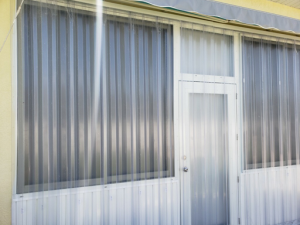
 Some homeowners want to preserve natural light when windows are covered. Others prefer the privacy of opaque shutters or the convenience of a system that stays mounted year-round. There isn’t one right answer for every home. A clear hurricane panels vs. shutters comparison can help you weigh the features that matter most, from views and appearance to lifting, storage, and upkeep. Think about the number of openings you need to protect and who will prepare them before a storm. We’ll explain the main differences and share questions to ask about approvals, installation, and costs, so you can make a more informed choice.
Key Takeaways
- Balance visibility and privacy: Clear panels let in daylight and preserve some outdoor views; opaque shutters provide more privacy but block most light.
- Confirm the system fits your home: Have a qualified installer assess each opening and verify product approvals, mounting needs, and local requirements.
- Choose protection you can use and maintain: Factor in lifting, storage, operation, and upkeep, then practice setup and inspect all parts before storm season.
What Are Clear Hurricane Panels and Traditional Shutters?
Clear hurricane panels and traditional shutters cover vulnerable openings, such as windows and doors, before a storm. They differ in material, appearance, and how you prepare them for use. Comparing those differences can help you choose a system that suits your home, your storage space, and the amount of setup you’re comfortable handling.
How Clear Panels Protect Openings
Clear hurricane panels are made from impact-resistant material and attach over windows or doors with a mounting system. When the panels and hardware are approved for your home and installed as directed, they help protect covered openings from wind and flying debris. Their transparency allows daylight and outdoor views to come through, which can make a room feel less closed in while the panels are installed. This may be useful during a storm when you expect to keep your home secured for an extended period.
Clear panels still require careful measurement, compatible hardware, and proper installation. Check the product’s approvals and instructions, and confirm that the system is suitable for each opening. You can see an example of impact-rated clear storm panels to learn how these products are designed.
Common Shutter Types: Accordion, Roll-Down, Bahama, and Storm Panels
Traditional hurricane shutters include several systems. Accordion shutters stay mounted beside a window or door and fold across the opening when needed. Roll-down shutters lower from a housing above the opening. Depending on the product, they may also provide shade, privacy, and security.
Bahama shutters are mounted above windows and angle outward when open. Before a storm, they are lowered and secured over the opening. Storm panels are removable sheets, often made of metal or another approved material, that attach to tracks or anchors. Each style has different operating steps, storage needs, and appearance. Consider how many openings you need to cover and which system feels manageable to operate. Compare common shutter materials and systems as you explore your options.
Removable Panels vs. Mounted Systems
Clear panels and many storm panels are removable. Tracks or anchors may remain attached to your home, while the panels are stored in a garage or shed between storms. This option may suit you if you have enough storage space and can safely manage the setup before severe weather arrives. Labeling panels by opening can make them easier to sort and install.
Mounted systems, including accordion and roll-down shutters, stay at the opening. You operate them when needed rather than carrying panels from storage. That can make preparation simpler, especially if your home has many windows. Mounted shutters still need regular inspection and correct operation. When comparing systems, think about the effort involved, the space available for storage, and whether you may need help with installation. Compare setup requirements for panels and accordion shutters to help assess what fits your routine.
How Do Protection and Performance Compare?
Clear hurricane panels and traditional shutters can both help protect a home’s windows and doors from wind and flying debris. Their performance depends on the specific product, its approval for your area, and whether it is installed and secured correctly. Clear panels allow you to see outside while openings are covered, while traditional shutters include several options, from removable storm panels to mounted accordion and roll-down systems.
Before choosing, ask a qualified installer which products are suitable for your home and which openings they are designed to cover. Check local building requirements, too. No system protects a home just because it is nearby or stored in the garage: it must be installed as directed before severe weather arrives.
Protection From Wind and Flying Debris
Both clear panels and traditional shutters are made to cover vulnerable openings, but one product’s performance should not be assumed to match another’s. Materials, design, and installation all matter. For example, a clear panel and an aluminum storm panel may look similar in use but have different product specifications.
A properly selected and installed system can help reduce the risk of broken glass from wind-borne debris. It does not make a home storm-proof, and the protection depends on covering all required openings. Ask your installer what conditions the product is designed and approved to withstand, and confirm that it is appropriate for the size and location of each opening. This gives you a clearer basis for comparing options than appearance or price alone.
Product Ratings, Approvals, and Installation
Check that the product you choose has approvals that apply to your location and the openings you need to protect. A qualified installer can help confirm that the system and its mounting method meet local requirements. Follow the manufacturer’s instructions, since missing hardware, incorrect fasteners, or improper installation can affect performance.
Removable panels also require a plan for setup. You may need to retrieve each panel, match it to the right opening, and secure it before a storm. As Assured Storm Window explains, tracks can remain attached to the home while the panels are stored elsewhere. Mounted shutters may take less effort to prepare, but they still need to be closed and secured as directed.
Protection for Windows, Doors, and Other Openings
Make a list of the openings you want to protect before requesting an estimate. Include windows, entry doors, sliding glass doors, and any other vulnerable areas. A system suitable for one opening may not be right for another, so ask the installer to assess each one based on its size, location, and construction.
Clear panels may be a good fit if you want to keep natural light and visibility while your openings are covered. That can make an extended period indoors feel less closed in. Empire Shutters describes how clear panels maintain a view outside, unlike opaque options that block the view. Ask whether the specific clear panel you are considering is approved for each opening you plan to protect.
Why Neither Option Prevents Every Kind of Damage
Hurricane panels and shutters protect the openings they cover. They cannot prevent damage to every part of your home, such as the roof, siding, trees, or outdoor structures. They also do not eliminate the risk of water entering through areas that are not protected or properly sealed.
Treat opening protection as one part of your storm-preparation plan. Secure outdoor furniture and other loose items, follow local guidance, and ask a qualified professional about other areas of concern around your home. Before storm season, inspect panels or shutters for wear, corrosion, scratches, and missing hardware. Regular checks can help you spot problems early and give you time to arrange repairs or replace parts before you need to install the system.
How Do Visibility, Light, Privacy, and Appearance Compare?
Clear panels and traditional shutters differ in how they affect the view, natural light, privacy, and your home’s exterior. Think about how you use each room and whether you prefer protection that stays in place or is stored between storms.
Views and Natural Light Through Clear Panels
Clear hurricane panels allow daylight into covered rooms and preserve some visibility outdoors. That can help a room feel less enclosed if you and your family need to stay inside for an extended period during a storm.
The view will not be exactly the same as looking through an uncovered window. Rain, reflections, debris, and the panel material can affect visibility, and products may differ in how much light they let through. Empire Shutters compares clear and aluminum panels, and Storm Smart explains how clear and metal panels differ in light transmission. Ask your installer what to expect from the specific product you are considering.
Privacy and Light Blocking With Traditional Shutters
Opaque shutters and metal storm panels block the view from outside while they cover your windows. This can provide privacy, especially in bedrooms or rooms facing a busy street. The trade-off is that these systems also block most daylight, so covered rooms will be darker until the protection is opened or removed.
Consider how your household would use those rooms during a storm. If you plan to spend a long time indoors, you may want to keep flashlights or battery-powered lights close at hand. Some homeowners also find that opaque panels make a room feel more enclosed, as Empire Shutters notes in its comparison of clear and aluminum panels. Compare the options in the rooms where you expect to spend the most time.
How Each System Looks on Your Home
Removable storm panels are usually stored between storms, so they do not change your home’s everyday appearance. When installed, they cover the openings and alter the look of the exterior until you take them down.
Mounted systems, including accordion, roll-down, and Bahama shutters, remain visible on the home, even when they are not closed. You may like their defined look, or prefer a system that is less noticeable when not in use. Color, material, and placement all affect the finished appearance. Before choosing, ask to see samples or photos of installations on homes similar to yours. Hurricane Shutters compares the appearance of removable panels and permanent shutters.
Keep Clear Panels Clean for Better Visibility
Clear panels need proper care to help maintain visibility. Follow the manufacturer’s cleaning instructions, since approved cleaners and methods can vary by material. Avoid rough tools or harsh products unless the instructions say they are safe to use. Scratches or other surface damage may make it harder to see through a panel.
Before storing removable panels, clean and dry them as directed. Check for cracks, scratches, or other damage, and label each panel by the window or door it fits. Store them somewhere protected where they will not bend or scrape against other items. For mounted clear systems, ask your installer how to clean and inspect them safely.
What Do Clear Panels and Shutters Cost?
The cost of hurricane protection depends on more than the product itself. The size and number of windows and doors, mounting hardware, and installation work all affect the total. Ask for an itemized estimate that includes each of these costs, so you can compare clear panels and shutters fairly.
Compare Product, Hardware, and Installation Costs
Removable panels are often one of the more affordable options, but costs vary based on the product, the number of openings, and the hardware your home needs. Clear panels and opaque panels may have different prices, so ask your installer to compare specific products with the same protection ratings.
Accordion and roll-down shutters usually require a larger upfront investment because they are mounted to the home and may involve more installation work. The total depends on the size of each opening and the mounting requirements. A guide to accordion shutters and hurricane panels can help explain why removable panels often have a lower initial cost. Request a written estimate that lists product, hardware, and labor separately.
Factor In Storage, Repairs, and Maintenance
Removable panels need a dry, accessible place to store them between storms. Consider whether you have room in a garage or shed, and whether you can comfortably lift and carry the panels. You will also need time to identify which panel fits each opening and attach it securely.
Mounted shutters don’t require seasonal panel storage, but tracks, fasteners, and moving parts still need occasional inspection and care. For either option, ask about repair costs, replacement hardware, and maintenance recommendations. If you choose panels, label each one by opening and store its fasteners with it. This simple step can make preparation easier and help you notice missing or damaged parts well before a storm is forecast.
Consider Long-Term Value Without Assuming Insurance Savings
The lowest initial price may not be the best fit for your home over time. Consider how often you may need to install the protection, whether you can manage the work, and how much you value a system that stays mounted. Confirm that any product you’re considering is engineered and approved for hurricane protection. As Storm Smart explains, decorative plastic shutters and homemade covers may not meet the same requirements.
Don’t assume a system will lower your homeowners insurance premium. Ask your insurance carrier whether the specific product and installation qualify, and request the requirements in writing. This helps you compare costs using confirmed information rather than a discount that may not apply.
How Do You Install, Store, and Maintain Each Option?
Clear hurricane panels and shutters need proper fitting, secure mounting, and regular care. Before choosing a system, confirm it is approved for your area and suitable for the openings you want to protect. A qualified installer can check measurements and mounting requirements, explain how each option works, and help you plan for storage and upkeep.
Measure Openings and Check Mounting Requirements
Measure each window, door, and other opening you plan to protect. Sizes can vary around the same home, so each panel or shutter must fit its assigned opening and attach securely. Check the mounting surface and identify any tracks, fasteners, or other hardware the system requires.
Dimensions are only one part of the decision. Consider how you will deploy the system, where removable panels will go, and whether the product meets local engineering and permit requirements. Storm Smart’s guide to choosing hurricane shutters also recommends considering appearance, visibility, availability, and local conditions. Have an experienced installer verify measurements and mounting needs before you order, particularly if your home has unusually shaped openings or existing hardware.
Install, Label, and Store Removable Panels
Match each removable panel to the opening it was designed to cover, and use the specified tracks, fasteners, and hardware. Before storm season, practice installing the panels according to the manufacturer’s instructions. Panels may be heavy or awkward to lift, so arrange help if needed. Don’t substitute hardware or skip installation steps.
After use, remove and dry the panels, then inspect them before storing. Label each panel with its location, and keep the hardware in a clearly marked container. Store panels flat or in a suitable rack to help prevent bending, scratches, and edge damage. Choose a storage spot that is dry and easy to reach. Assured Storm Window describes the lifting and fitting involved with storm panels. Practicing ahead of time can help you spot missing parts and decide whether you’ll need assistance.
Operate and Maintain Mounted Shutters
Mounted shutters stay beside or above an opening, so you don’t need to carry them out of storage before use. Depending on the design, shutters may slide, fold, crank, or lower into place. Practice operating yours before storm season and follow the manufacturer’s directions. Don’t force a shutter that sticks, and keep the area around each opening clear so you can reach it safely.
Mounted systems still need regular maintenance. Remove dirt and debris from tracks, check that the shutters move smoothly, and lubricate hardware only as directed. Accordion shutters fold across an opening without requiring panel storage, but their tracks and moving parts need attention. If a shutter binds, comes loose, or shows signs of damage, contact a qualified professional for repairs before relying on it.
Check for Scratches, Wear, Corrosion, and Missing Hardware
Inspect your panels and shutters before storm season and after each use. Look for cracks, deep scratches, bent edges, worn seals, corrosion, and loose or missing fasteners. Damage to a clear panel can affect visibility, and any damage may mean the product needs professional assessment. Don’t assume a damaged system will work as intended.
For removable panels, check that labels are readable and that every opening has the right panel and hardware. For mounted shutters, inspect the tracks, hinges, locks, and operating mechanisms. Clean components using products approved by the manufacturer, since harsh cleaners or unsuitable lubricants may damage some materials. Regular inspections, track cleaning, and appropriate lubrication help keep shutters working properly, as Hurricane Shutter Co. recommends. Ask a qualified installer to assess corrosion, damage, or parts that no longer fit or operate correctly.
Which Option Is Easier to Prepare Before a Storm?
The easier system is the one you can operate correctly and comfortably. Removable panels must be carried and secured before a storm, while mounted shutters stay on your home and are ready to close. Consider the work involved, storage space, and who will help with setup.
Compare Setup Time, Weight, and Effort
Removable panels need to be carried to each opening, lined up, and fastened with the correct hardware. Larger panels may feel awkward to lift, especially when windows are above ground level or your home has many openings to cover. The task can take time, so it helps to practice before storm season.
Clear panels and other removable storm panels still require careful handling and secure installation. Mounted shutters, such as accordion shutters, stay attached to the home and slide across an opening. Their operation may involve less lifting, though the time and effort depend on the product and opening. Ask an installer to demonstrate the system and explain what you’ll need to do before choosing.
Consider Reach, Mobility, and Help
Think about who will prepare the home and whether they can comfortably reach each opening. Installing panels may involve lifting, aligning, and fastening pieces at different heights. If balance, grip, or strength is a concern, handling panels alone may be difficult. Arrange help ahead of time rather than waiting until a storm warning.
Mounted shutters reduce the need to carry panels, but they still require you to reach and operate the system. Ask the installer to show you how each shutter opens, closes, and latches. A comparison of accordion shutters and hurricane panels describes accordion shutters as a lower-effort option for some older adults and people with disabilities. Try the actual system yourself, if possible, to make sure it feels manageable.
Weigh Convenience Against Panel Storage
Removable panels need a dry, accessible storage area between storms. Keep them organized by window or door, and store their fasteners in a clearly marked container. Labeling each panel can save time when you need to match it to an opening. Check the panels and hardware periodically for wear, corrosion, or missing pieces.
Mounted shutters stay attached to your home, so you won’t need room to store panels. They do need regular care, such as keeping tracks clear and following the manufacturer’s maintenance instructions. Removable storm panels may have a lower upfront cost, but setup can be cumbersome. Empire Shutters’ comparison of storm panels can help you understand the handling involved. Consider both storm-day effort and everyday storage needs.
Prepare Before a Storm Warning
Practice using your protection when the weather is calm. For panels, check that each one fits its assigned opening, confirm that you have all the hardware, and rehearse securing each piece. For mounted shutters, operate them ahead of time and arrange service if a shutter sticks, appears damaged, or won’t latch.
Don’t wait for a warning to discover that a panel is missing or a shutter needs attention. Follow the product instructions and local requirements, and keep a written checklist of the steps you’ll take. Install protection early enough to work safely, and follow local officials’ guidance as conditions change. Owning panels or shutters does not automatically confirm what your policy covers, so ask your insurer about coverage and any applicable requirements.
What Hurricane-Protection Misconceptions Should You Avoid?
Hurricane protection is not a one-size-fits-all purchase. A system should suit your home, meet applicable requirements, and be practical for you to use. Before choosing clear panels or shutters, look beyond the product name and consider privacy, installation, insurance terms, and upkeep.
Clear Panels Offer Less Privacy Than Opaque Shutters
Clear hurricane panels allow daylight into a room and preserve some visibility outdoors while windows are covered. Opaque shutters block the view in both directions, which can offer more privacy but may make a room feel darker and more enclosed. At night, interior lights can also make it easier to see into a home through clear panels.
Think about where you spend time during a storm and how much privacy matters in those rooms. If possible, ask to see samples or a demonstration before deciding. This comparison of clear and aluminum storm panels outlines the visibility and privacy trade-offs. The best choice depends on your home and what will feel comfortable when the panels are in place.
Easier Handling Does Not Remove Installation Requirements
Some shutter systems remain mounted and are designed to close over an opening. Removable storm panels need to be taken out of storage, carried to each window or door, aligned, and fastened with the specified hardware. Even panels that feel manageable during a demonstration can require repeated lifting and careful placement across multiple openings.
Before choosing a system, consider who will install it and whether they can do so safely before a storm. Ask an installer to walk you through the process, including the tools, time, and help required. This guide to accordion shutters and hurricane panels explains how preparation differs between these options. Make a plan well before a storm warning, rather than relying on last-minute help.
Protection Does Not Guarantee Insurance Coverage
Owning hurricane panels or shutters does not guarantee that your homeowners insurance will cover every storm-related loss. Coverage depends on your policy and the circumstances of a claim. Your insurer may also have specific conditions, so don’t assume that buying a system or having it installed automatically meets them.
Contact your insurance company before storm season and ask what documentation or installation practices your policy requires. Keep product information, installation records, and any approval documents with your home records. If you have removable panels, confirm when and how they should be installed. This storm panel and shutter guide notes that panels need to be in place to protect openings. For coverage questions, rely on your insurer and policy documents.
Follow Product Instructions and Local Building Requirements
A product’s performance depends on using the right system for the opening and installing it as directed. Follow the manufacturer’s instructions for fasteners, mounting, operation, and maintenance. Requirements can vary by location and property, so check with your local building department or a qualified installer before purchasing. Ask which approvals apply to your home and request product documentation for your records.
Also consider what happens when the system is not in use. Removable panels are stored away after a storm, while some permanently mounted shutters remain visible on the home. That difference may matter if appearance, storage space, or access is a concern. This overview of shutters and storm panels describes how the options differ when not in use. Follow the instructions for the specific product you select.
How Do You Choose Between Clear Panels and Shutters?
Start with the openings you need to protect, then consider what matters most to you: visibility, setup, storage, appearance, and cost. The right system should suit your home and feel manageable to use when a storm approaches. Compare the complete process, from installation to storage and upkeep, rather than choosing based on one feature alone.
Weigh Protection, Visibility, Cost, and Convenience
Clear panels let daylight in and preserve a view outside. That can make a difference if you expect to keep your windows covered for an extended period or prefer not to feel closed off from your surroundings. They may cost more than basic storm panels, so weigh the added visibility against your budget. Learn more about the comfort and visibility clear panels can provide.
Shutters can be a convenient option when they are mounted and ready to close. Removable panels, by comparison, need to be carried, matched to openings, and secured before a storm. Consider who will handle setup and whether the work feels manageable. A system is only practical if you can prepare it correctly and safely.
Match the System to Your Home, Budget, and Routine
Consider each opening separately. Window and door sizes, mounting surfaces, and access to upper floors may affect which products are suitable. If you choose removable panels, check that you have accessible storage space and a way to keep track of which panel fits each opening. Some systems leave mounting hardware in place while panels are stored between storms. Review the storage and setup needs of removable panels before making a decision.
Compare the full cost, including the product, hardware, and installation. Also consider how much effort the system takes to prepare and maintain. If lifting panels or reaching certain windows could be difficult, factor in whether you will have help. Appearance matters, too: mounted shutters may remain visible on your home, while removable panels can be stored away when they are not needed.
Ask a Professional to Compare Approved Options
A qualified hurricane-protection professional can assess your openings, mounting surfaces, and local requirements. Ask which clear panels and shutter types are approved for the areas you want to protect. Request details about installation, setup time, maintenance, and what the estimate includes. This gives you a useful basis for comparing options designed for your home.
Before deciding, ask for product documentation and check with your insurer about any records it requires. Coverage and possible discounts depend on your policy, insurer, and the specific protection installed. Reviewing insurance documentation requirements can help you know what to keep. Use the consultation to discuss visibility, storage, appearance, and who will operate the system so you can choose with confidence.
Frequently Asked Questions
Are clear hurricane panels as protective as traditional shutters?
They may be, but performance depends on the specific product, its approval for your location, and correct installation. Ask a qualified installer to compare approved systems for each window and door you want to protect.
Do clear panels provide privacy during a storm?
Clear panels preserve some daylight and visibility, but they offer less privacy than opaque shutters. At night, interior lights may make it easier to see inside. Consider samples or a product demonstration before deciding.
Which option is easier to prepare before a storm?
Mounted shutters stay attached to your home and are operated at the opening. Removable panels need to be carried from storage and secured in place. Try operating the system and consider whether you’ll need help with lifting or reaching.
What should I ask for when comparing estimates?
Request an itemized estimate covering the product, mounting hardware, and installation. Ask which openings the system is designed to protect, what approvals apply, and what maintenance or repairs may cost.
Can hurricane panels or shutters lower my insurance premium?
A discount is not guaranteed. Check with your insurer about the requirements for your policy and ask what product records or installation documents you should keep.