
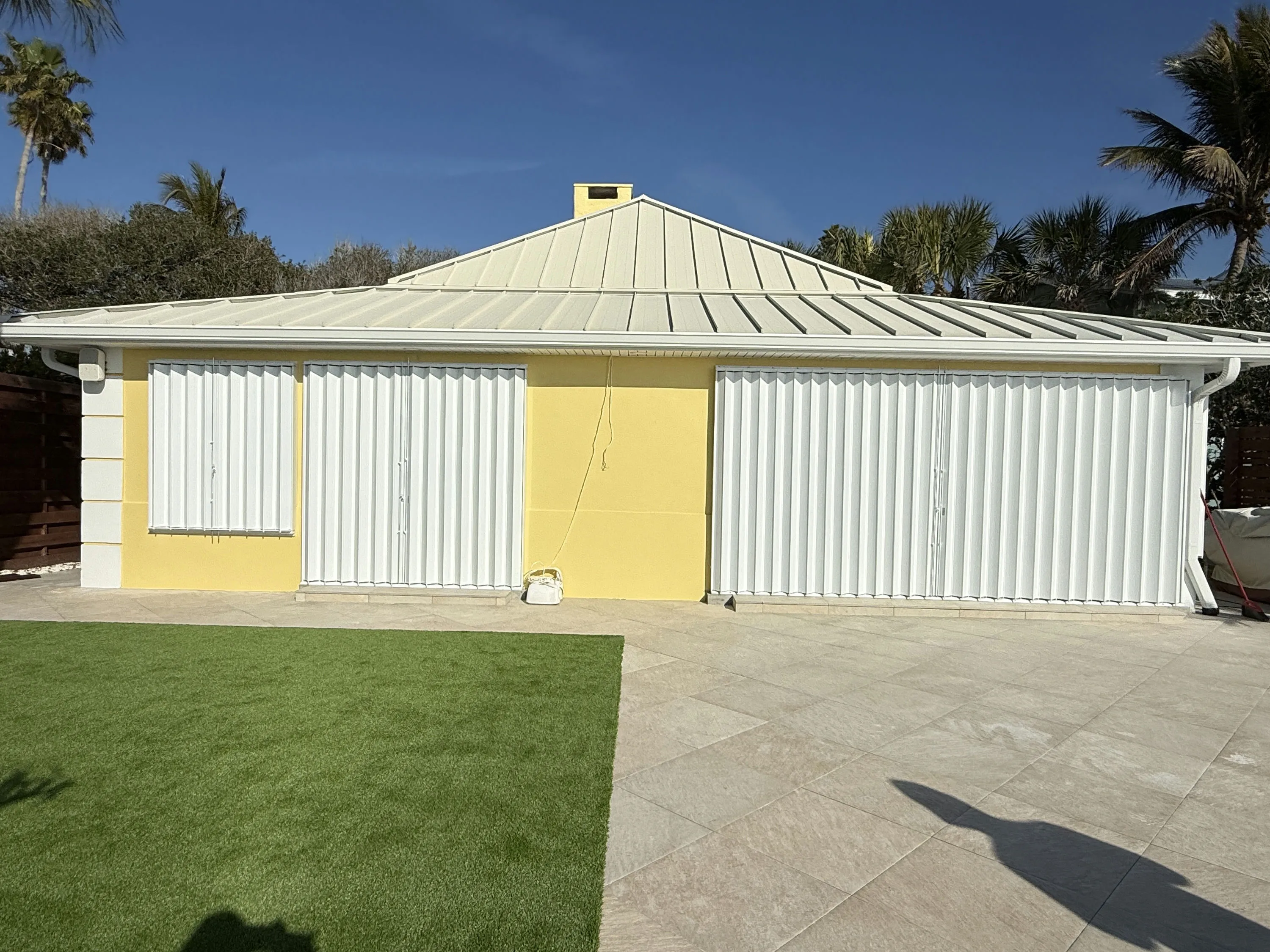
 A shutter can look sturdy and still lack the approval your home needs. That’s why it pays to compare the exact products, not just the names of the styles. When considering Bahama shutters vs accordion shutters, think about how you use your home every day and how you’ll prepare when a storm approaches. Bahama shutters stay above windows and can provide shade, while accordion shutters fold across windows and, depending on the model, doors or wider openings. Check product documentation for each opening, ask about local requirements, and have an installer demonstrate how the shutters work. A few careful questions can help you choose a system that fits your home, routine, and budget.
Key Takeaways
- Choose based on daily use and coverage needs: Bahama shutters can provide shade for windows, while accordion shutters can cover windows, doors, and some wider openings.
- Confirm each product’s protection details: Ask for approval documents that match your location, opening sizes, and installation plan, then check local requirements.
- Compare complete quotes and care needs: Review materials, labor, permits, and warranty terms, and ask your insurer what documentation is needed for any potential discount.
What Are Bahama and Accordion Shutters?
Bahama and accordion shutters are attached to a home and can be closed over openings when a storm approaches. Their designs serve different everyday needs: Bahama shutters provide shade, while accordion shutters are built to cover a range of openings. The right choice depends on your home and on whether you want year-round sun control, storm protection, or both.
Use Bahama Shutters for Shade and Storm Protection
Bahama shutters are mounted above a window and hinged so they angle outward when open. Their position can shade the glass and help control how much sunlight enters the room. When a storm approaches, you can lower the shutters over the window and secure them. That combination of everyday shade and storm preparation can suit homeowners who want a shutter that stays visible year-round.
Bahama shutters are generally intended for windows, rather than wide openings such as sliding glass doors. Their protection also depends on the model: decorative shutters may not be rated for storm conditions. Before buying, ask whether the product is approved for your location and the level of protection you need. Learn more about Bahama shutters and hurricane protection.
Use Accordion Shutters to Cover Openings
Accordion shutters consist of connected panels that fold beside an opening when they are not in use. As a storm approaches, you pull the panels across the opening and secure them. Since the shutters stay attached to the home, there are no separate panels to carry out and store before each storm.
Depending on the product and installation, accordion shutters can cover windows, entry doors, sliding glass doors, and some garage openings. This can make them a practical option for homes with several types of openings to protect. They are primarily designed for storm preparation, rather than everyday shade or light control. Review how accordion shutters cover different openings as you consider which areas of your home need protection.
Tell Functional Shutters From Decorative Models
A shutter’s appearance does not show whether it can protect your home during a storm. Some Bahama shutters are decorative, while other models are tested and approved for specific wind and impact conditions. Accordion shutters also need the right rating for the opening and must be installed according to the product requirements.
Ask your installer for documentation that identifies the product’s approval and the openings it is designed to protect. Confirm that the approval applies to your home’s location and installation details, and check local requirements before you buy. This helps you compare shutters based on documented performance as well as style.
How Do Bahama and Accordion Shutters Compare?
Bahama and accordion shutters can both cover windows, but they differ in appearance, everyday use, and the openings they can protect. Bahama shutters are mounted above windows and can provide shade when open. Accordion shutters fold across an opening when you need to close it, making them practical for covering a range of window and door sizes.
The right choice depends on what matters most in your home: a shaded, distinctive look or a shutter system that can cover wider openings. Compare each product’s design, coverage, and approved use for the specific openings you want to protect.
Compare Their Appearance, Mounting, and Operation
Bahama shutters give a home a distinctive look. Hinged along the top of a window, they’re held open at an angle by support arms. To close one, lower it over the window and secure it. When open, the shutter can provide shade.
Accordion shutters have a more utilitarian appearance. They’re installed in tracks beside an opening and fold across it when closed. Since they remain attached to the home, there are no loose panels to carry outside or store before a storm. Review the differences in style and operation to see which design better suits your home and routine.
Compare Coverage for Windows, Doors, and Wide Openings
Bahama shutters are generally suited to individual windows. Their hinged design works well for standard window openings, but it’s not typically used for wide areas such as sliding glass doors or garages. If you’re considering them for several windows, check whether other openings need a separate protection system.
Accordion shutters can cover windows, entry doors, sliding glass doors, and some wider openings, depending on the product and installation. They fold out from the sides and close across the opening, which can make them a practical option for homes with several types of openings. Before choosing a system, confirm that the specific model is designed and approved for every opening you want to cover.
Compare Shade, Light, Privacy, and Views
Bahama shutters can serve a purpose even when a storm isn’t approaching. When open, they may reduce direct sunlight while allowing some light and air through, depending on their design. Close them for added privacy, keeping in mind that this also reduces natural light and blocks the view.
Accordion shutters are designed primarily to cover openings. When closed, they block the view and much of the incoming light. When open, they fold to the sides, so they don’t provide the same built-in shade as Bahama shutters. If everyday sun control is important to you, compare the light-control features of each style, along with how each system fits your home.
Which Shutters Provide the Storm Protection Your Home Needs?
The right shutters depend on your home’s location, the openings you need to protect, and the product’s documented performance. Look beyond appearance and general claims. Check the approval for the specific model, then confirm it fits your home and local requirements.
Check Impact and Windborne-Debris Protection
During a storm, shutters may need to withstand both wind pressure and flying debris. Ask whether the exact model has been tested for impact and pressure resistance, and which types and sizes of openings it is approved to cover. A “hurricane-rated” label alone doesn’t tell you whether a shutter meets the requirements for your home.
For homes in high-risk coastal areas, accordion or roll-down shutters are often considered for primary protection because they can cover a range of openings. Bahama shutters may also provide storm protection, depending on the model and its approval. Use this comparison of Bahama and accordion shutters as a starting point, then verify the product details with an installer.
Understand Why Ratings Vary by Product, Opening, and Installation
A product rating applies to a specific shutter and installation, not every model in a shutter category. Opening size, wall material, mounting hardware, and installation method can all affect performance. For example, a shutter approved for a standard window may not be approved for a wider window or patio door.
Ask your installer to identify the exact product and provide approval documents for each opening. Confirm that the installation plan follows the product’s approved specifications, including mounting details and fasteners. If you’re replacing windows or changing an opening, ask whether the existing shutter approval still applies. Getting these details in writing helps you compare proposals and understand what the installation is designed to protect.
Check Florida Product Approval, Miami-Dade NOA, and Local Requirements
If your home is in Florida, ask whether the shutters have Florida Product Approval or, where applicable, a Miami-Dade Notice of Acceptance (NOA). You can search the state’s Florida Product Approval database and check NOA information through Miami-Dade’s Product Control search.
An approval doesn’t automatically mean a product is suitable for every home or opening. Requirements can vary by location and project, so confirm the rules with your local building department before you buy. Ask your insurance provider whether the specific approved shutters may qualify for a wind-mitigation credit. Discounts depend on your policy and the documentation your insurer requires, so don’t assume every shutter qualifies.
Separate Decorative Style From Protection and Ratings
Bahama shutters can add a tropical look and provide shade, but appearance doesn’t confirm storm protection. Some models are decorative, while others are designed and approved to meet impact or wind-pressure requirements. Check the documentation for the model you’re considering and verify that its approval covers the openings you want to protect.
If you like the Bahama style, ask whether an approved model is available for your home and meets local requirements. This overview of Bahama shutter performance can help explain why style and protection aren’t the same thing. Compare shutters by their documented ratings, approved uses, and installation requirements, rather than relying on broad claims about a product type.
What Are the Pros and Cons of Each Shutter Type?
Weigh Bahama Shutters’ Curb Appeal and Shade Against Coverage Limits
Bahama shutters give a home a distinctive coastal look while providing shade and adjustable light control. They’re mounted above the window and held open in fair weather, then lowered and secured when a storm approaches. Depending on the design and position, they can also reduce direct sunlight entering a room.
Their main limitation is coverage: Bahama shutters are generally suited to windows, not wide openings such as sliding glass doors. They may also cost more than accordion shutters, partly because of their appearance and everyday shade benefits. Before choosing them, list the openings you want to protect and compare the coverage and typical costs of both styles.
Weigh Accordion Shutters’ Broad Coverage and Convenient Storm Preparation
Accordion shutters fold out from tracks beside an opening and lock across it. Since they’re permanently installed, you don’t need to store separate panels. They can cover windows, entry doors, sliding glass doors, and some garage openings, making them a practical choice when you want protection for several types of openings.
Accordion shutters are often less expensive than Bahama shutters, though the final cost depends on opening size, materials, and installation. You’ll still need to close each shutter before a storm, so consider how many you’ll operate and whether they’re easy for you to reach. Compare the two styles’ coverage and convenience before deciding what suits your home.
Compare Durability, Ease of Use, Privacy, and Open Appearance
Both shutter types need regular inspection and care. Accordion shutters remain stacked beside the opening when open, and some homeowners find them more noticeable. Bahama shutters can complement a coastal-style home and provide shade while open, but their position and design may limit some light or views.
Think about daily use as well as storm preparation. Ask the installer to demonstrate how each shutter opens, closes, and locks, and check that you can operate it comfortably. Durability and storm performance depend on the specific product and installation, not appearance alone. Before buying, confirm that the shutter is approved for the opening it will protect and meets local requirements.
How Do Bahama and Accordion Shutters Perform in Florida?
Florida’s sun, wind, and coastal air can affect how shutters perform and how much upkeep they need. Consider your home’s location, the openings you want to protect, and whether you also want everyday shade. For either style, confirm the specific product’s approvals and ratings rather than assuming all shutters of that type offer the same protection.
Assess Coastal Salt, Wind, and Corrosion
Salt in coastal air can wear on exposed metal hardware over time. If you live near the coast, inspect Bahama shutter hinges, brackets, and fasteners regularly, and rinse the shutters with fresh water to remove salt buildup. Look for corrosion, loose hardware, or changes in how the shutters open and close. Addressing these signs early can help you plan repairs before a storm is approaching.
Wind and impact protection depend on the specific product, the opening, and the installation. Not every Bahama shutter meets Miami-Dade impact standards, so ask for documentation for the model you’re considering. Accordion shutters also need to be checked against your home’s requirements. A Florida comparison of Bahama and accordion shutters notes that Bahama models vary in impact approval and may need hardware maintenance in coastal conditions.
Compare Shade, Ventilation, and Heat Control
Bahama shutters can provide year-round shade and help control how much sunlight enters a room. Their hinged design lets you adjust the angle, which may allow airflow while limiting direct sun. This can be useful for windows that receive strong afternoon light. Shading may also reduce heat from direct sunlight, though the effect on indoor comfort and energy use depends on your windows, insulation, and how you position the shutters.
Accordion shutters typically fold beside the opening when they aren’t in use, so they don’t offer the same everyday shade. They’re designed to cover openings when needed. If shade is a priority, ask how the Bahama model adjusts and whether it can remain in a position that works for your daily routine. A comparison of Bahama and accordion shutters highlights Bahama shutters’ advantage for shade and sunlight control.
Choose Shutters for Coastal, Inland, and Higher-Wind Locations
Your location can help guide your choice, but it doesn’t determine the answer on its own. Coastal homeowners should ask about corrosion-resistant materials and hardware, then verify that each shutter is approved for the wind and impact requirements at the property. For higher-risk coastal areas, accordion or roll-down shutters may be considered as primary storm protection, depending on the product and the home’s needs.
Accordion shutters can cover windows, entry doors, sliding glass doors, and garages, which may suit homeowners looking to protect several types of openings. Bahama shutters may be a practical fit when you also want regular shade, as long as the selected model meets local requirements. Ask an experienced installer to assess each opening and explain the relevant approvals before you make a decision. A Florida shutter guide discusses accordion shutters’ coverage across different openings and their use in higher-risk coastal areas.
How Do You Maintain Bahama and Accordion Shutters?
Regular care helps your shutters open and close as intended when you need them. Inspect them several times a year and after severe weather, following the maintenance instructions for your specific model.
Inspect Bahama Hinges, Brackets, Latches, and Finish
Open and close each Bahama shutter during fair weather. It should move smoothly and stay securely in position. Check hinges, support arms, brackets, and latches for looseness, rust, or visible wear. Look over the panels for cracks, peeling paint, or dents, paying particular attention to hardware exposed to coastal air. Salt can contribute to corrosion, so rinse shutters with fresh water and dry them as the manufacturer recommends. The National Ocean Service explains how corrosion affects metal, including in marine environments. If a bracket feels loose or a latch will not hold, arrange an inspection before relying on the shutter for storm protection.
Clean Accordion Tracks, Locks, and Moving Parts
Remove leaves, sand, and other debris from accordion shutter tracks so the panels can slide freely. A soft brush or cloth can help with routine cleaning; use mild soap and water only if the product instructions allow it. Check locks, handles, fasteners, and moving parts for damage, rust, or looseness. Open and close each shutter gently. If it catches, do not force it, since that may damage the track or hardware. Use lubricant only when the manufacturer recommends it, and follow the specified instructions. Confirm that the locks engage and the panels close securely. If a track looks bent or the shutter remains difficult to operate, contact a qualified installer for an assessment.
Rinse, Inspect, and Operate Both Shutter Types Regularly
Rinse shutters periodically, especially after exposure to salt spray, and use cleaning products approved for the material and finish. While cleaning, look for loose fasteners, dents, worn seals, rust, or other changes that could affect operation. Test each shutter in fair weather so you have time to address sticking or alignment problems well before a storm. Make sure everyone who may need to close the shutters knows how they work. Keep a record of maintenance and repairs, and follow the schedule provided by the manufacturer. For additional care reminders, read Lafferty Hurricane Protection’s guidance on shutter maintenance. Have damaged shutters checked before storm season.
How Much Do Bahama and Accordion Shutters Cost?
Compare Materials, Opening Sizes, Quantity, and Installation
Bahama shutters typically cost about $20 to $50 per square foot installed, or roughly $140 to $350 per window, according to HomeGuide’s hurricane shutter cost guide. Accordion shutters generally cost $15 to $30 per square foot. Some estimates put the typical range at $15 to $25 per square foot, as Rollac’s cost guide notes.
Use these figures as a starting point, not a final estimate. Your project’s price depends on the number and size of openings, the materials you choose, and the complexity of installation. Large windows, sliding doors, custom dimensions, and difficult access can affect labor and materials. Permit fees or repairs to the mounting area may add to the total, too.
For a useful comparison, ask contractors to quote the same openings and shutter type. Make sure each estimate describes the product and installation so you can compare similar levels of coverage.
Request Itemized Quotes With Permit and Warranty Details
Ask each installer for a written, itemized quote that lists shutter materials, measurements, cost per opening, labor, and permit fees. Confirm whether removal of old shutters, repairs, and cleanup are included. If you’re considering Bahama shutters, check whether the quote is for functional storm protection or decorative shutters. A similar appearance does not guarantee the same protection.
Ask the contractor to identify the product approval and rating for each opening, and explain how the installation will meet local requirements. Request warranty information for both the shutters and the installation, including what the warranty covers and whether maintenance requirements apply.
A detailed estimate makes it easier to compare proposals beyond the bottom-line price. If an item is unclear or missing, ask the installer to explain it before you sign.
Ask Your Insurer About Wind-Mitigation Credits for Approved Shutters
Approved shutters may qualify for a wind-mitigation credit, which could help reduce insurance costs. Eligibility and potential savings depend on your insurer, policy, shutter type, and which openings are protected. The Florida Office of Insurance Regulation’s wind mitigation information provides background on how mitigation features are considered.
Contact your insurance company before you include a discount in your project budget. Ask whether the shutters you’re considering qualify and what documentation the insurer requires. You may need product approval records, installation paperwork, or a wind-mitigation inspection.
Confirm the requirements directly with your carrier, since a credit is not guaranteed and may not apply to every home or shutter configuration. Once you know what qualifies, you can factor any verified savings into your cost comparison.
How Can You Choose the Right Shutters for Your Home?
List the Openings You Need to Protect
Start by listing every opening you want to protect: windows, entry doors, sliding glass doors, and garage doors. Note the size and location of each one, and flag openings that may be difficult to reach or cover quickly. Accordion shutters can be designed for several types of openings, including windows, doors, sliders, and garages. Bahama shutters are often selected for windows where shade and curb appeal are priorities. Review this comparison of opening coverage as you make your list. Then share it with a qualified installer, who can confirm which products are approved and suitable for each opening in your home.
Weigh Storm Protection, Shade, Style, and Ease of Use
Consider how you want your shutters to work on an ordinary day, as well as when a storm approaches. Bahama shutters remain mounted above windows and can provide year-round shade and light control. Their distinctive look may also complement your home’s architecture. Accordion shutters fold beside an opening when not in use and close across it when needed, making them a practical option for covering multiple openings without storing separate panels. Think about who will operate the shutters, how easily each one can be reached, and whether shade, views, or a coordinated appearance matter most. Compare the everyday features of both shutter types before choosing.
Match Your Budget and Maintenance Preferences to Your Home
Set a budget that includes the shutters, professional installation, permits, and any preparation the openings may need. Costs depend on the number and size of openings, materials, and installation requirements. Accordion shutters are often less expensive, while Bahama shutters may cost more for their appearance and shade-control features. Ask for itemized quotes so you can compare similar products and see what each price covers. Consider routine care, too: both styles need periodic cleaning and inspection, and moving parts should work smoothly. Before expecting an insurance discount, ask your insurer which approvals and documents are required. This cost comparison of Bahama and accordion shutters offers more detail on factors that can affect your decision.
What Should You Verify Before Buying Shutters?
Choosing shutters involves more than comparing appearance and price. Before you commit, confirm that the product is approved for your home, understand what the installation includes, and check how the company supports its work. Ask for written answers and keep the product documents and quote together. That way, you can compare options clearly and know what to expect.
Confirm Product Approvals and Ratings for Each Opening
Ask for documentation showing that the exact shutter model is approved for your area and rated for the conditions it may face. Ratings can vary by product, opening size, and installation method, so an approval for one window may not apply to every opening in your home.
Florida homeowners can search the Florida Building Commission’s product approval database and check with their local building department about applicable requirements. Depending on your location, a Miami-Dade Notice of Acceptance may also be relevant. Ask the installer to identify the approval documents for each shutter and explain how they apply to your windows and doors. This comparison of Bahama and accordion shutters also recommends checking the specific product rating rather than relying on broad claims about a shutter style.
Check Installer Credentials, Installation Details, Permits, and Warranty
Ask who will complete the work and whether the installer has experience with your selected shutter type. Request a written, itemized quote that lists the shutter model, materials, labor, openings covered, and any additional charges.
Before signing, clarify who will obtain permits and arrange inspections, if required. Ask how the shutters will be attached and whether the price includes preparation or repairs around the openings. Review the warranty carefully: find out what it covers, what it excludes, and how to request service. Keep the answers in writing so you can compare estimates on the same basis. The Florida shutter comparison guide advises homeowners to review offer terms alongside product details.
Read Customer Feedback and Ask About Current Promotions
Read reviews that describe the whole project, including communication, installation, cleanup, and support afterward. Feedback from homeowners with similar properties or shutter needs may help you prepare useful questions. Look for patterns across several reviews instead of basing your decision on a single comment.
Ask the company whether it has current promotions, discounts for multiple openings, or other offers. Confirm what the offer includes and whether it affects the product, installation, warranty, or payment terms. A Florida hurricane shutter guide also recommends reviewing customer feedback and asking about available promotions. Compare the final written price and scope of work, not just the advertised savings.
Frequently Asked Questions
Can Bahama shutters protect sliding glass doors?
Bahama shutters are usually designed for windows, so they may not suit wide openings such as sliding glass doors. Ask an installer which approved shutter options fit each opening in your home.
Are all Bahama shutters hurricane-rated?
No. Some are decorative, while others are tested and approved for specific conditions. Check the documentation for the exact model and confirm it applies to your opening and location.
Which shutter type is easier to prepare before a storm?
Accordion shutters stay attached to the home and fold across an opening when needed, so you don’t have to carry or store separate panels. You still need to close and secure each shutter, so ask the installer to show you how it operates.
Can hurricane shutters lower my homeowners insurance premium?
They may qualify for a wind-mitigation credit, but eligibility depends on your policy, the shutters, and the documentation your insurer requires. Contact your insurance company before including a potential discount in your budget.
What should I ask an installer before choosing shutters?
Ask for the product approval documents for each opening, an itemized quote, permit details, and warranty terms. Have the installer demonstrate how the shutters open, close, and lock so you can decide whether they’ll be comfortable to operate.